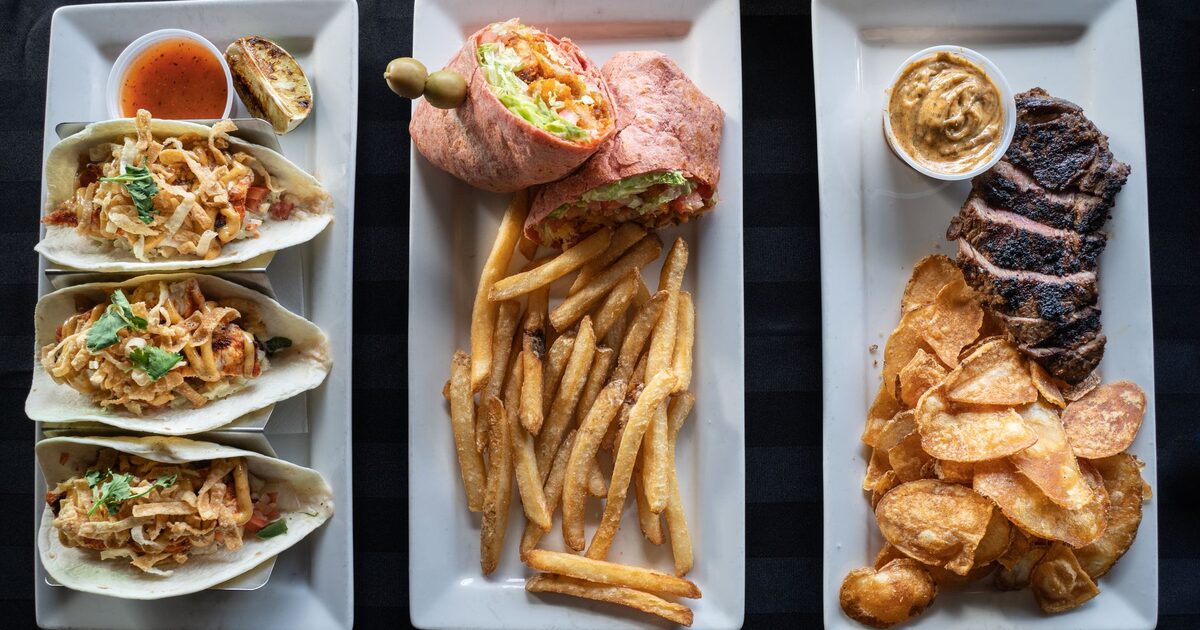
There's no forbidden-foods list here. Flexible dieting — better known by its old internet name, IIFYM, "if it fits your macros" — says that a calorie of chicken and a calorie of ice cream are interchangeable for body composition, as long as the day's totals land where they should. That sounds like a licence to eat junk. It isn't, quite. But it is the most sustainable way most people will ever find to lose fat or build muscle without giving up the foods they actually like.
The one idea underneath it
Strip away the forum culture and IIFYM is a method, not a diet. You set three daily targets — protein, fat, and carbohydrate — and you hit them using whatever foods get you there. The reasoning is simple: your body responds to the amount of protein, fat, and carbs you eat far more than to which specific foods delivered them. Fat loss is downstream of being in a calorie deficit; muscle gain is downstream of enough protein and a small surplus. Brown rice and white rice do the same job for your physique. So instead of banning entire food groups, you budget.
That's the contrast with rules-based diets. Keto bans carbs, paleo bans grains and dairy, Whole30 bans roughly everything fun for a month. They work largely by shrinking your options until you eat less by accident. IIFYM keeps the options and asks you to count. If you genuinely prefer following rules to tracking numbers, our beginner's guide to keto is a fair alternative — some people just think better with a clear yes/no list.
Setting your three numbers
Flexible dieting only works if the targets are right. Here's the order to set them, because they build on each other.
- Calories first. Estimate your maintenance (TDEE), then adjust. To lose fat, drop 15–20% below maintenance. To build muscle, add 5–10% above it. This is the lever that decides the direction; everything else just divides the total.
- Protein second. Set it at 1.6–2.2 g per kg of bodyweight — the range research consistently lands on for preserving or building muscle. This is the one macro you defend; it's the difference between losing fat and losing the muscle underneath it.
- Fat third. Keep it at a minimum of 0.6–0.8 g per kg to protect hormones and let you absorb fat-soluble vitamins. Go higher if you like richer food and want fewer carbs.
- Carbs fill the rest. Whatever calories remain after protein and fat become your carbohydrate budget. Carbs are the flexible bucket — the fuel for training and the easiest macro to move up or down day to day.
Remember the energy density: protein and carbohydrate are 4 kcal per gram, fat is 9. That's the arithmetic you'll use to convert grams into calories and back.
A worked example
Numbers make this concrete. Take an 80 kg person whose maintenance is roughly 2,500 kcal, who wants to cut. Knock off 20% and the target is 2,000 kcal. Now divide it:
| Macro | Target | Grams | Calories |
|---|---|---|---|
| Protein | 2.0 g/kg | 160 g | 640 |
| Fat | ~0.75 g/kg | 60 g | 540 |
| Carbohydrate | fills the rest | ~205 g | 820 |
That adds to roughly 2,000 kcal. Notice what it doesn't dictate: nothing here says the carbs must be oats rather than a couple of biscuits, or that the fat must be olive oil rather than cheese. As long as the daily column adds up, the deficit does its work. Switch to a lean bulk and you'd nudge calories to about 2,650, hold protein near 160 g, and pour most of the extra into carbs to fuel the heavier training that a surplus is supposed to support — build those sessions from our exercise library.
Where "flexible" stops being flexible
This is the part the meme version skips, and it's why thoughtful coaches prefer the term "flexible dieting" to IIFYM. Macros are necessary but not sufficient. Three things still constrain you even when the numbers technically fit:
- Fibre. Aim for 25–38 g a day. Hit your macros entirely on protein shakes and sweets and you'll be constipated, hungry, and miserable by Wednesday. Fibre is mostly free of usable calories but does enormous work for digestion and fullness.
- Micronutrients. Vitamins and minerals don't show up in a macro tracker. A day that's "perfect" on protein, fat, and carbs can still be empty of potassium, magnesium, and the rest. Whole foods are how you cover that quietly.
- Satiety. 200 calories of chicken and 200 calories of gummy bears are equal on the spreadsheet and wildly unequal in your stomach. The protein keeps you full for hours; the sweets leave you hunting the cupboard. Satiety is the silent reason most diets are abandoned.
The practical answer is the 80/20 rule: build about 80% of your intake from minimally processed, nutrient-dense foods — lean protein, vegetables, fruit, whole grains — and spend the remaining 20% on whatever you fancy, guilt-free. That base is what our guide to whole-food eating is built around, and it pairs with flexible dieting better than any other habit. The 80% covers your fibre and micronutrients; the 20% is what keeps you sane and on the plan in month six rather than quitting in week two.
Tracking without losing your mind
IIFYM lives or dies on logging, at least at first. A few things make it bearable:
- Weigh food in grams, not cups. Volume measures are wildly inaccurate for calorie-dense foods — a heaped tablespoon of peanut butter can be double what you think. A cheap kitchen scale fixes most tracking errors overnight.
- Log it in advance. Building your day in the morning, or even the night before, beats scrambling at dinner to fit 90 g of leftover carbs. Pre-logging in the FitBot Coach app turns the puzzle into a plan.
- Lean on repeatable meals. You don't need infinite variety. Three or four breakfasts and lunches you know cold removes most of the daily maths; our recipe collection is filterable by macro so you can find ones that slot into your numbers.
- Hit protein and calories; let the rest float. If carbs and fat trade a few grams either way but protein and the calorie total are on target, you've had a good day. Precision to the gram on every macro isn't necessary and burns people out.
Who it suits — and who it doesn't
Flexible dieting fits people who want control and variety, who travel or eat out often, and who've rebelled against restrictive plans before. It teaches portion awareness that outlasts the diet itself, which is its quiet long-term payoff. It's also the standard approach for physique athletes precisely because it's precise.
It's a poor fit if tracking every bite would feed a disordered relationship with food — for some people, numbers on a screen become a fixation, and a simpler rules-based approach is genuinely safer and kinder. It also asks for consistency most days, so if logging sounds like a chore you'll abandon in a week, an approach with fewer decisions may serve you better. There's no moral high ground in counting; it's a tool, and tools fit some hands and not others.
The takeaway
Flexible dieting works because it's honest about the biology — your body counts macros and calories, not virtue — and honest about human nature, because a plan you can live with beats a stricter one you'll quit. Set your calories for your goal, defend your protein, give fat a floor, fill the rest with carbs, and build the bulk of it from whole foods so fibre and micronutrients take care of themselves. Then spend the leftover 20% on the foods that keep you in the game. That's the whole method.
Key takeaways
- IIFYM is a method, not a diet: set protein, fat and carb targets and hit them with any foods you like.
- Set targets in order — calories for your goal, protein at 1.6-2.2 g/kg, fat at a 0.6-0.8 g/kg floor, carbs fill the rest.
- An 80 kg person cutting on 2,000 kcal lands near 160 g protein, 60 g fat and ~205 g carbs.
- "Flexible" still has limits: fibre (25-38 g), micronutrients and satiety constrain you even when the macros fit.
- Use the 80/20 rule — 80% whole foods for nutrition, 20% for whatever you fancy — and weigh food in grams to track accurately.
Frequently asked questions
Can I really eat junk food on IIFYM and still lose fat?
Yes, within limits. Fat loss comes from a calorie deficit, so a treat that fits your daily macros won't derail it. But if junk crowds out protein, fibre and micronutrients you'll be hungry, low on energy and hard-pressed to keep the muscle you're trying to protect — which is why the 80/20 split exists.
How do I work out my macros for flexible dieting?
Start with calories: estimate your maintenance and drop 15-20% to lose fat or add 5-10% to build muscle. Then set protein at 1.6-2.2 g per kg of bodyweight, fat at a minimum of 0.6-0.8 g per kg, and let carbohydrate fill whatever calories remain. Protein is 4 kcal per gram, carbs 4, and fat 9.
Is flexible dieting better than keto or other strict diets?
It depends on you, not the biology — any approach that holds calories and protein in the right place works. Flexible dieting suits people who want variety and hate banned-food lists, while rules-based diets like keto suit those who prefer clear yes/no decisions. The best diet is the one you'll actually stick to.