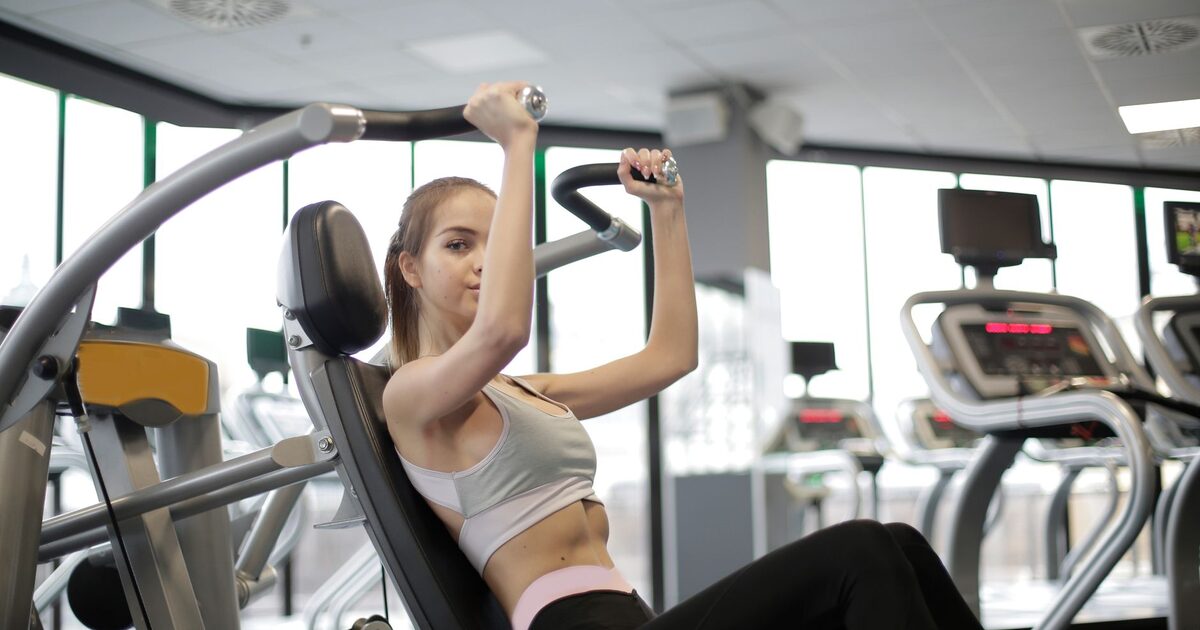
You park outside the gym, hand on the door, and your brain runs the worst-case reel: everyone turns to look, you load the wrong weight, you have no idea which machine is which. So you drive home. If that scene feels familiar, you are not broken and you are not alone. Gym anxiety is ordinary, it has a name, and it responds well to a plan. Here is the one I give nervous beginners, broken into steps you can run this week.
Why the gym feels like a stage
Two things are usually happening at once. The first is the spotlight effect: we badly overestimate how much other people notice and judge us. The lifter next to you is thinking about their own next set, their playlist, and dinner, not your form. The second is social physique anxiety, the specific worry that your body is being evaluated. Both are real feelings, and neither is a verdict on whether you belong there. The fix is not to argue yourself out of the nerves in one go. It is to lower the stakes of each visit until showing up stops feeling like a performance.
Step 1: Walk in with a written plan
Most gym dread is really decision dread. When you do not know what to do, every glance feels like an audience waiting for you to fail. Kill that by deciding everything before you arrive. Write down three to four exercises, the sets and reps, and the order. A sane first session is short: two or three movements, 2 sets of 8 to 10 reps each, 20 to 25 minutes total. That is it.
Keep the plan on your phone so you always look like you have somewhere to be. Build it from a few reliable movements rather than guessing on the floor. Our exercise library shows each lift with a short demo, and you can save a routine in the FitBot Coach app so the whole thing sits in your pocket before you ever touch a dumbbell.
Step 2: Pick the quiet hours on purpose
You do not have to start in the 5 to 7pm crush, which is the busiest, most intimidating window in almost every gym. Train when the floor is thin and you have space to learn without an audience.
- Mid-morning (about 10am to noon): the early crowd has left and the after-work wave is hours away.
- Mid-afternoon (1 to 3pm): often the emptiest stretch of the day.
- Later evening (after 8pm): the rush has cleared and machines open up.
Go three or four times at your quietest hour before you worry about peak slots. Familiarity does most of the heavy lifting here; the third visit always feels smaller than the first.
Step 3: Start on machines, then graduate to free weights
Machines are the kind training ground for an anxious beginner. They guide the movement, so there is less to coordinate and far less fear of "doing it wrong" in public. Spend your first week or two on a leg press, seated row, chest press, and lat pulldown. Once those feel routine, add free-weight basics and use a couple of cues so you trust your own form:
- Goblet squat: hold one dumbbell at your chest, chest tall, push your knees out, and sit down between your heels.
- Dumbbell Romanian deadlift: soft knees, push your hips back like closing a car door with your backside, and feel a stretch in your hamstrings.
- Dumbbell bench or chest press: shoulder blades pulled back and down, lower under control to mid-chest, then press.
When you do not know how to use a machine, the seat usually has a diagram, and staff are paid to show you. Asking is not a failure; it is what regulars did when they started.
Step 4: Rehearse the moves at home first
Walking onto the floor already knowing the shape of a movement removes a huge chunk of the fear. The day before, practise the bodyweight version in your living room: 2 sets of 10 air squats, 10 hip hinges, and a few push-ups against a wall or the floor. You are not training for results here, you are building muscle memory so the pattern feels old, not new, when you do it with weight in front of other people.
Step 5: Make session one almost too easy
The goal of your first few visits is not a great workout. It is to prove to your nervous system that you can walk in, train, and leave, and nothing bad happens. So shrink it. Finish while you still have energy and still feel good. A session you leave thinking "that was fine, I could have done more" is one you will come back to. A brutal first session you barely survive is one your brain will fight you on next time.
That early, the win is repetition, not intensity. If you want this to become permanent rather than a two-week burst of willpower, it helps to understand how to build a workout habit that actually sticks and to lean on consistency over heroics.
Step 6: Keep a few scripts ready for awkward moments
A lot of anxiety is anticipating a social situation you have no line for. So write the lines in advance. Said plainly, these are completely normal and nobody blinks:
| The moment | What to say |
|---|---|
| Someone is on the machine you want | "How many sets do you have left?" |
| You want to work in together | "Mind if I work in with you between sets?" |
| You are not sure a bench is taken | "Is anyone using this?" |
| You need a hand with a machine | "Have you used this one? I can't figure out the seat." |
Earbuds in, a water bottle, and a clear plan also send a quiet signal that you are busy and self-contained, which makes unwanted attention even less likely than it already is.
Step 7: Track the streak, not the mirror
If your only measure of success is how your body looks, every session feels like a test you might be failing. Change what you count. Tick off the visit, log that you added 2.5kg or one more rep, note that walking in felt easier than last time. Those wins arrive within days, long before visible changes do. It genuinely takes weeks, so it helps to set fair expectations about how long until you see results from working out rather than judging week one by the mirror.
Sorting one part of the routine in advance also lowers the mental load. Deciding a simple, high-protein post-workout meal ahead of time, from our recipes, means nutrition is one less thing to improvise when you are already spending energy on courage.
When it is more than nerves
Ordinary gym anxiety eases as the place becomes familiar. Sometimes it does not. If the thought of going triggers real panic, chest tightness, or dread that leads you to cancel again and again, that is worth taking seriously. A GP or therapist can help, and approaches like cognitive behavioural therapy work well for exactly this kind of avoidance. Asking for support is a strong move, not a setback.
Your first week, simply
Pick a quiet hour. Bring a three-exercise plan. Stay on machines, keep it short, and count the visit rather than the reflection. Do that three or four times and the door you once dreaded becomes just a door. The version of you who trains without a second thought is built one unremarkable, slightly-too-easy session at a time.
Key takeaways
- The spotlight effect makes you overestimate how much anyone is watching you
- Train during quiet hours (10am-noon or after 8pm), not the 5-7pm rush
- Start on machines, then add free weights with a few simple form cues
- Make session one almost too easy so your brain wants to come back
- Count visits, reps, and small wins instead of judging the mirror
Frequently asked questions
How do I stop feeling like everyone is watching me at the gym?
They almost certainly are not; this is the spotlight effect, where we overestimate how much others notice us. Most people are focused on their own sets. Earbuds, a written plan, and choosing quieter hours make the feeling fade within a few visits.
What is the best time to go to the gym if I have anxiety?
Avoid the 5-7pm peak, which is the busiest window. Mid-morning (around 10am to noon), mid-afternoon (1 to 3pm), and after 8pm are usually quietest. Train at your quiet hour three or four times and familiarity does most of the work.
Should I get a personal trainer if I'm nervous about the gym?
It can help, because a trainer plans your sessions and removes the fear of not knowing what to do. It is not required, though. A written three-exercise plan, starting on machines, and rehearsing moves at home achieve much of the same confidence on a smaller budget.