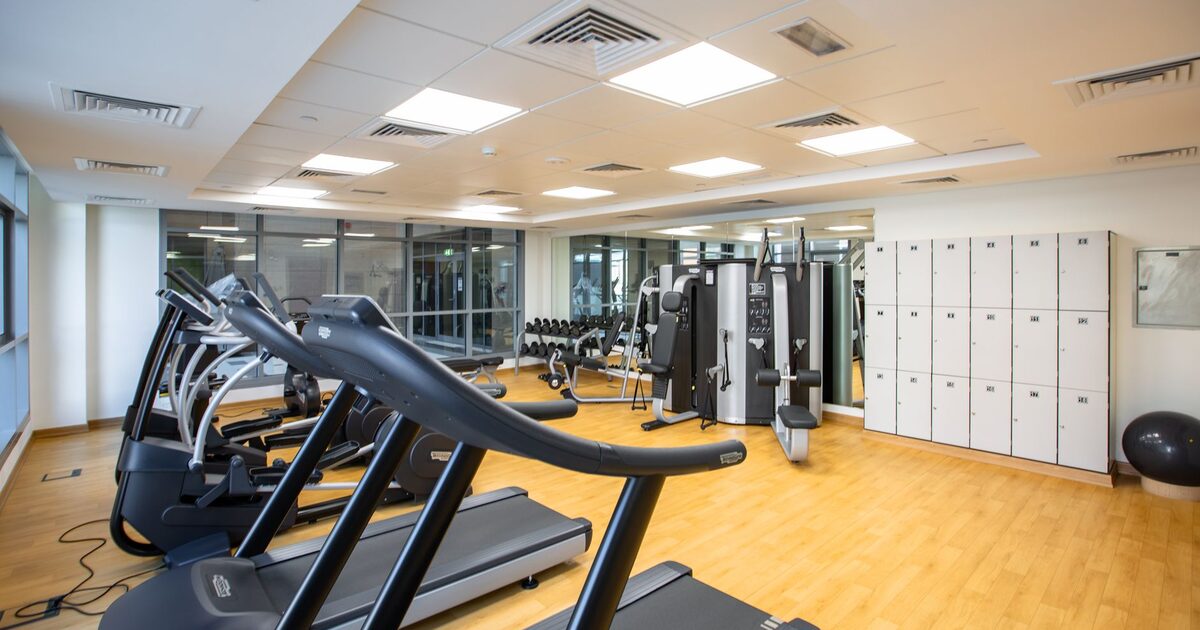
Building muscle is not complicated, but it is specific. You need three things lined up at once: a training stimulus hard enough to demand adaptation, enough protein and total calories to build new tissue, and enough recovery for that tissue to appear. Miss any one and progress stalls. This guide covers all three with the exact numbers to aim for, then shows how to progress them over months without spinning your wheels.
How muscle growth actually works
Muscle grows through a repair cycle. Hard sets signal your body that the current amount of muscle is not enough for the job. Over the next 24 to 72 hours, given protein and rest, your body rebuilds those fibres slightly bigger and stronger. This is hypertrophy, and it is driven mostly by mechanical tension — taking a muscle through a challenging load close to failure.
Two consequences follow. First, the workout is only the trigger; the building happens between sessions, which is why food and sleep are not optional. Second, you have to keep raising the bar, because a muscle that has already adapted has no reason to grow further. Hold those two ideas and the rest is detail.
Train each muscle hard, and often enough
The training variable that matters most for size is weekly hard sets per muscle group — sets taken to within a few reps of failure. The evidence-backed range for most people is 10 to 20 hard sets per muscle per week. Beginners should start at the low end (around 10) and add volume slowly; jumping straight to 20 sets just buries you in soreness you can't recover from.
How close to failure? Stop most working sets with 1 to 3 reps in reserve (RIR) — reps you could have done but chose not to. Sets stopped well short of that (5+ reps left) leave growth on the table; grinding every set to absolute failure just adds fatigue. "Hard but controlled" is the target.
Split that volume across at least two sessions per muscle, because protein synthesis from a session only stays raised for a day or two — a second exposure tops it back up. For a beginner that means a full-body workout three times a week or an upper/lower split four times a week. Rep ranges are flexible: anywhere from 5 to 30 reps builds muscle if the set is hard, though 6 to 12 is the practical sweet spot. For the full breakdown, see our guide to the best rep range for muscle growth.
Anchor your program around big compound lifts that load a lot of muscle at once — squats, hinges, presses, rows, pull-ups — then add isolation work for muscles you want to bring up. If your chest is a priority, a few targeted movements go a long way; our roundup of the best chest exercises for building mass covers which ones earn their place. The exercise library has demos and substitutions for every pattern.
Eat enough protein, and enough total food
You cannot build tissue out of nothing. Two numbers matter here.
Protein: aim for 1.6 to 2.2 grams per kilogram of bodyweight per day (roughly 0.7 to 1 gram per pound). For an 80 kg person that's about 130 to 175 g daily. Spreading it across 3 to 4 meals is slightly better than loading it all at dinner, but your daily total counts most. Whole-food sources — chicken, eggs, dairy, fish, lean beef, tofu, legumes — do the job; a shake is just a convenient top-up.
Total calories: to add muscle efficiently you need a slight calorie surplus of around 200 to 350 calories a day — enough to support growth while limiting fat gain. Much larger surpluses don't build muscle faster; they just add fat. Beginners and those returning to training can build some muscle at maintenance, but a small surplus is the most reliable route.
Carbohydrates fuel hard training and fats support hormones, so don't cut either to the bone — fill the rest of your calories around the protein target. Our recipe collection is built around protein-forward meals that make the daily number easy to hit.
Recover so the work pays off
Recovery is where the muscle is actually built, and it's the step most people shortchange.
- Sleep is your highest-leverage recovery tool. Aim for 7 to 9 hours. Short sleep blunts protein synthesis, raises cortisol, and wrecks training quality — it quietly caps your results no matter how good the program is.
- Rest days matter. A muscle needs roughly 48 hours before you train it hard again, which is exactly why full-body programs space sessions out and splits rotate body parts.
- Manage fatigue. If your lifts stall and you feel run-down, that's often under-recovery, not a need to train harder. A deload — a lighter week every 6 to 10 weeks — clears accumulated fatigue and usually unsticks progress.
Make it progressive: the engine of growth
Here's the part that turns a workout into a muscle-building program. Your body adapts to a fixed stimulus and then stops responding, so you have to gradually demand more over time — progressive overload. In practice the cleanest method is double progression:
- Pick a rep range for an exercise, say 3 sets of 8 to 12.
- Start with a weight you can lift for 3 sets of 8 with 1 to 2 reps in reserve.
- Each session, try to add reps at the same weight.
- Once you hit the top of the range for all sets (a clean 3×12), add the smallest weight increment available — usually 2.5 kg / 5 lb — and drop back toward 8 reps.
- Climb the range again from there.
This removes the guesswork: every session you know whether the job is "add a rep" or "add weight." It only works if you write your sets down, because you can't beat a number you don't remember. A notebook works; an app that stores your history and nudges the weight up is easier to stick with — the FitBot Coach app logs every set and tells you when to add load.
What about supplements?
Almost none matter, and none replace the three levers above. The one with strong, repeated evidence is creatine monohydrate at 3 to 5 grams per day, taken any time — it modestly improves strength and training volume, which adds up to a bit more muscle. Caffeine before training helps you push harder. That's the short list worth your money; whey protein is just a convenient way to hit your protein target. Skip the rest until the fundamentals are dialled in.
How fast can you expect to grow?
Realistic expectations keep you in the game. A brand-new trainee who eats and recovers well can gain roughly 0.5 to 1 kg (1 to 2 lb) of muscle per month in the first year. That rate slows in the second year and slows again after, and that's normal biology, not failure — the closer you get to your genetic ceiling, the harder each kilogram is earned.
| Training experience | Realistic muscle gain | What to focus on |
|---|---|---|
| Year 1 (beginner) | ~0.5-1 kg / month | Technique, consistency, linear progression |
| Years 2-3 (intermediate) | ~0.25-0.5 kg / month | Tracking volume, slower progression |
| Advanced | A few kg per year | Specialisation, fine-tuning, patience |
Two warnings. Scale weight is noisy — it swings with water and food day to day — so judge progress over weeks using the mirror, the tape measure, and your strength numbers. And when a lift stalls for two or three sessions despite good food and sleep, don't panic: switch the lever (more reps, an extra set, cleaner range of motion), deload, or check your recovery first.
Putting it together
Muscle building rewards consistency more than cleverness. Train each muscle hard for 10 to 20 sets a week across at least two sessions, eat 1.6 to 2.2 g/kg of protein in a slight surplus, sleep 7 to 9 hours, and add a little to the bar over time. Track your sets, give it months rather than weeks, and the results compound. Get those basics right and you've done the part that matters.
Key takeaways
- Muscle grows from the repair cycle: hard sets trigger it, but protein and rest do the building between sessions.
- Train each muscle for 10-20 hard sets a week, across at least two sessions, stopping sets 1-3 reps short of failure.
- Eat 1.6-2.2 g of protein per kg of bodyweight daily, in a slight 200-350 calorie surplus.
- Sleep 7-9 hours and deload every 6-10 weeks; recovery is where the muscle is actually built.
- Use double progression to add reps then weight over time, and expect roughly 0.5-1 kg of muscle a month as a beginner.
Frequently asked questions
How long does it take to build noticeable muscle?
Most beginners see visible changes in about 8 to 12 weeks of consistent training and eating. In the first year you can realistically gain around 0.5 to 1 kg of muscle per month, then progress slows as you approach your genetic ceiling.
Can I build muscle and lose fat at the same time?
Yes, but mainly if you are a beginner, returning after a layoff, or carrying excess body fat. This is called body recomposition and it works best with high protein (around 2 g per kg) and hard training near maintenance calories. Experienced lifters usually make faster progress focusing on one goal at a time.
Do I need supplements to build muscle?
No. Whole-food protein, enough total calories, and progressive training cover the essentials. The only supplement with strong evidence is creatine monohydrate at 3 to 5 grams a day, with whey protein useful only as a convenient way to hit your protein target.